
Understanding Picky Eating in Toddlers: What’s Normal and How to Support Healthy Eating
By Julia Scott, NZ Registered Dietitian · 27 May 2025 · 5 min read
- Toddler Nutrition
- Feeding Challenges
- Parenting Tips
- Family Mealtimes
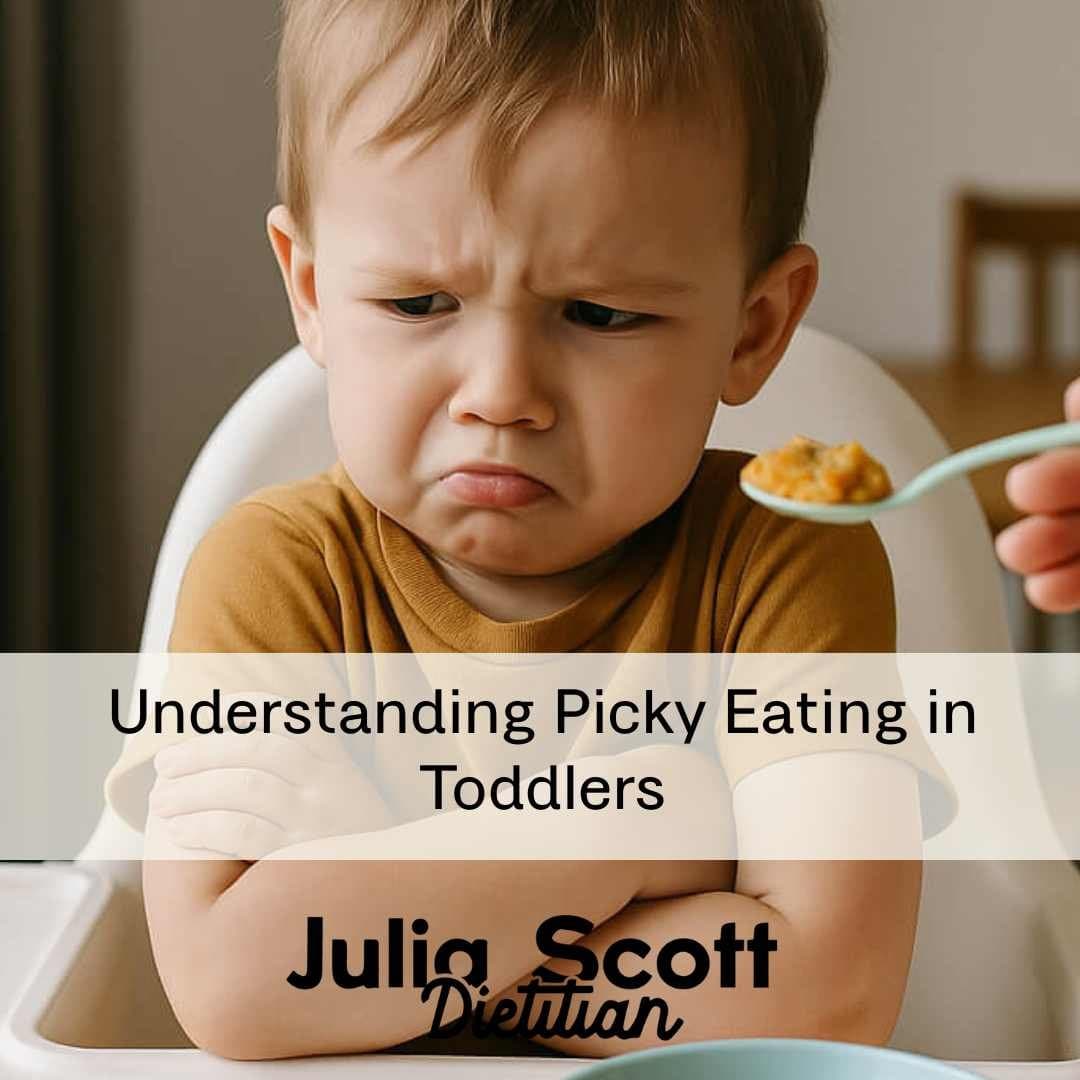
Picky eating is one of the most common and challenging issues parents face during the younger years. If your little one has ever pushed away a favourite food or refused a meal you spent ages preparing, you are absolutely not alone. But the good news? For most children, picky eating is a normal phase — and there are many gentle, effective ways to support them through it.
Picky Eating vs Problem Eating: Know the Difference
Before diving into strategies, it's helpful to understand the difference between picky eating and problem feeding.
According to the SOS Approach to Feeding, picky eaters will eat more than 30 different foods. They might have strong preferences or go through phases (known as "food jags"), but they usually return to previously accepted foods with time. Picky eaters typically eat from all major food groups and don’t show distress when new foods are introduced.
Problem eaters, on the other hand, have fewer than 20 accepted foods and often drop foods without replacing them. They may show signs of distress, gagging, or anxiety at mealtimes, and may refuse entire food groups. If your child fits this pattern, it’s a good idea to seek advice from a dietitian, occupational therapist, or speech-language therapist who specialises in feeding.

Why Does Picky Eating Happen?
Picky eating is part of normal development. Toddlers are learning to assert independence and saying "no" is a key part of that. Their appetites also fluctuate depending on growth and mood.
Around age two, many children experience neophobia — a fear of new foods. This may be rooted in evolutionary survival instincts and tends to peak in early toddlerhood. Sensory preferences, fatigue, and even personality traits can also influence how a child responds to food.
Practical Tips to Navigate Picky Eating
1. Establish Mealtime Roles
Use the division of responsibility model:
Parents decide what, when, and where food is served.
Children decide if and how much to eat.
Once the food is offered, your job is done. Trust your child to do theirs.
2. Set a Routine
Aim for three meals and two to three snacks a day, at roughly the same times. Avoid grazing in between, which can reduce hunger at mealtimes. Limit milk intake to under 500ml per day so it doesn’t fill them up and reduce appetite for food.
3. Minimise Distractions
Turn off the TV and keep toys and devices away from the table. Sit and eat together as much as possible. Toddlers learn by watching, so seeing you enjoy a range of foods matters.
4. Keep It Positive
Don’t bribe, pressure, or negotiate over food. Use encouraging, descriptive language about foods instead, like "These carrots are so crunchy today!"
5. Offer Variety Without Pressure
Keep serving new foods alongside familiar ones. It can take 8 to 15 exposures before a child accepts a new food. Keep portions small and neutral.
6. Make Food Fun
Use colourful shapes, dips, muffin trays, or food picks to make meals playful. Let them touch, smell, and explore their food without pressure to eat it. Playing with food builds familiarity.
7. Involve Them in Food Prep
Toddlers love helping! Let them rinse veges, stir batter, or choose between two options. This builds ownership and curiosity.
8. Avoid Short-Order Cooking
If your child knows that rejecting dinner gets them toast or yoghurt, they’ll likely hold out. Instead, serve all parts of the meal at once (even dessert items like yoghurt or fruit) so there’s no incentive to wait it out.

Key Nutrients to Watch in Picky Eaters
Iron
Iron supports growth, brain development, and energy. Toddlers who avoid meat, legumes, or iron-fortified foods may be at risk of deficiency.
Try pairing iron-rich foods with vitamin C sources to boost absorption:
Mince: use in meatballs, build your own tacos, or pasta sauces
Chicken: serve shredded in wraps, as nuggets, or in mini sandwiches
Eggs: mash onto toast, cut with cookie cutters, or add to muffins
Zinc
Zinc is vital for growth, immunity and even appetite regulation. Found in meat, legumes, dairy, nuts and seeds.
Ideas:
Hummus with crackers or vege sticks
Chia seeds or ground flaxseeds in yoghurt or oats
Nut butters mixed into porridge
Omega-3 Fats
Essential for brain development. Try:
Canned salmon or sardines mashed into patties or pinwheels
Chia seeds, flaxseeds or walnuts in smoothies or baking
Fibre
Important for digestion and bowel health. Easy ways to boost fibre:
Leave skins on fruits like apples and pears
Add grated veges to muffins or fritters
Offer beans, lentils or wholegrain bread
Calcium
Supports strong bones and teeth. Kid-friendly ideas:
Add cheese to pasta, eggs, or sandwiches
Serve yoghurt with fruit or blended into smoothies
Use calcium-fortified plant-based milks
Add tofu to stir fries or cubes for finger foods
Chia seeds in overnight oats or baking
Vitamin D
Needed for strong bones and immunity. Offer:
Salmon or sardines
Eggs
Fortified dairy or plant milks
Some toddlers in New Zealand may need a vitamin D supplement over winter, especially if they have a darker skin tone or limited sun exposure.
When to Seek Help
If your toddler:
Eats fewer than 20 foods
Refuses entire food groups
Has extreme anxiety at meals
Is losing weight or not growing as expected
...it’s time to reach out to a health professional. A registered dietitian can assess your child’s intake, rule out nutritional gaps, and give tailored support.
In Summary
Picky eating is normal. It’s messy, sometimes maddening, but also manageable. Focus on structure, variety, and staying calm. Mealtimes are about more than food — they’re about trust, connection, and setting up positive patterns for life.
Celebrate small wins. That one lick of broccoli? It counts.
Listen to the Little Bites podcast for more expert tips on baby, toddler and family nutrition.
Keep reading
Pregnancy Nutrition
Pregnancy Nutrition Guide: Trimester by Trimester
This trimester-by-trimester pregnancy nutrition guide from NZ dietitian Julia Scott covers essential nutrients, food safety, and supplements. Learn how to support your baby's growth with confidence.

Baby Nutrition
Should I Use Fluoride for My Baby or Toddler? What the Science Says
Wondering if fluoride is safe for babies and toddlers? Learn what the research says, when to start using it, and how to protect your child's teeth safely and effectively.

Baby Nutrition
Introducing Allergen Foods to Your Baby: A Confident, Parent’s Guide
Worried about introducing peanuts or eggs to your baby? Learn how to safely introduce allergenic foods between 6–12 months to help prevent allergies. Practical NZ-based advice for parents, based on MOH and Plunket guidelines